Case Study
Historic home meets smart energy
A 1909 Edwardian Home Meets Smart Energy
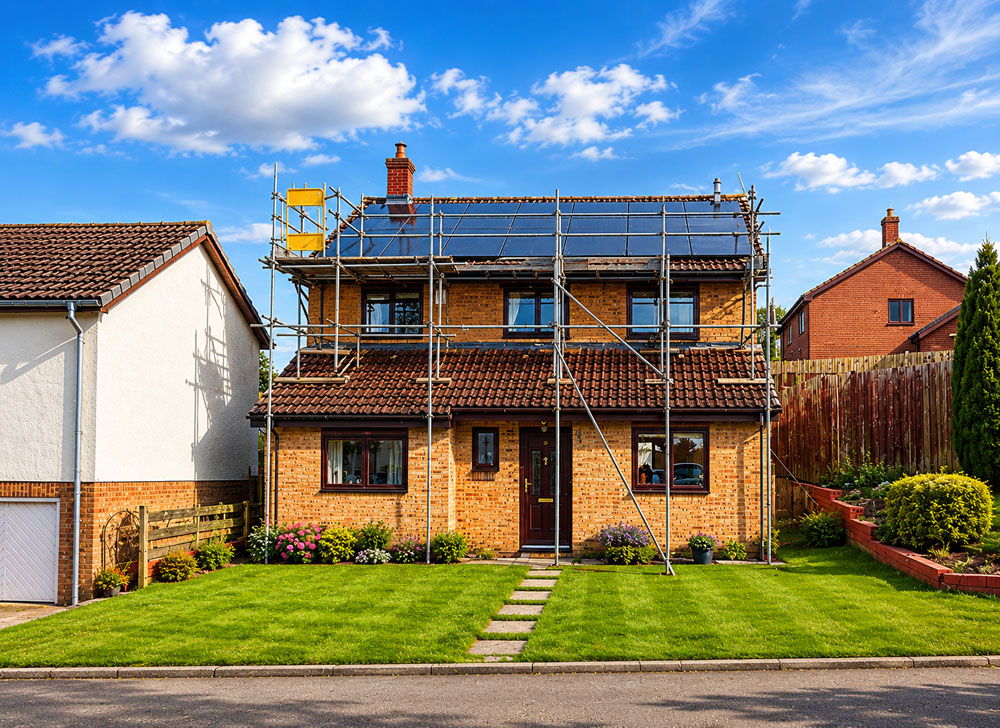
The George family’s home is a charming Edwardian terraced property, built in 1909. With its period features, high ceilings and timeless character, it carries over a century of history, but like many older homes, it wasn’t designed for the energy demands of modern family life.
When the Georges decided to upgrade, their goal was clear, preserve the character of their Edwardian home while transforming it into a smart, energy-efficient household. This meant integrating the latest solar PV and battery storage technology without compromising the property’s aesthetics or heritage.

Balancing History and Modern Life
Living in a five-bedroom home, the family’s energy needs were high. Everyday life, from cooking family meals to running appliances and keeping the house warm, meant significant electricity consumption. The challenge was to install a renewable energy system that worked with modern life while respecting the Edwardian architecture.
Ready to make a change?The Smart Energy Installation
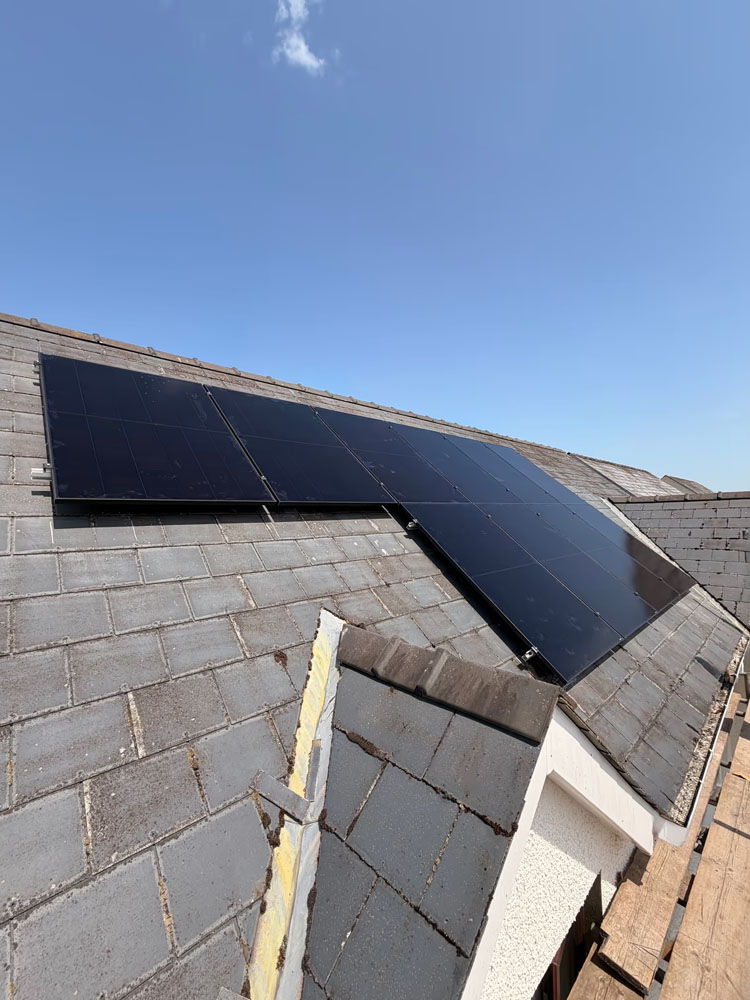
- Solar Panels: 25 all-black AIKO Neostar 465W panels
- PV System Size: 11.16 kW
- Battery Storage: FOX ESS EP11-Hybrid 10 kWh battery
- Extras: Bird guard for long-term protection
- Expected Generation: Over 8,000 kWh per year
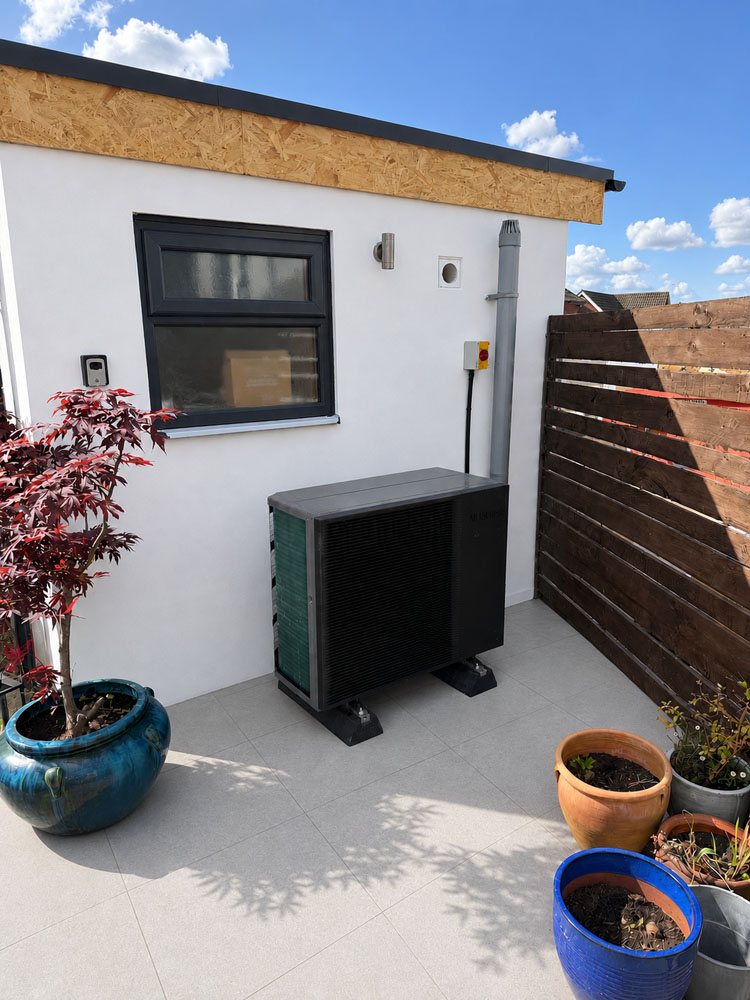
- Future Ready: Property wired and prepared for a heat pump installation
This combination ensures the household maximises self-consumption of solar energy while storing excess power for use during evenings or cloudy days.


How It All Works Together
1. Solar Panels Generate Electricity
The solar PV panels capture sunlight and convert it into direct current (DC) electricity during the day.
2. Power Is Used Immediately
Electricity from the solar panels first powers any home or facility loads (lights, appliances, equipment) in real time.
3. Excess Energy Goes to the Battery
If the solar panels produce more electricity than is immediately needed, the surplus is stored in the battery for later use.
4. Battery Supplies Power When Needed
In the evenings or cloudy periods, the battery discharges its stored electricity to power the loads, reducing reliance on the grid.
Project Goals
Significantly reduce electricity bills: By generating their own electricity from solar panels and storing excess energy in a battery, the George family rely less on grid power, cutting monthly utility costs.
Decrease household carbon footprint: Using renewable solar energy instead of fossil-fuel electricity lowers greenhouse gas emissions, making the family home more environmentally sustainable.
Enable energy independence with battery storage: A battery allows the family to store solar energy for use during the night or power outages, reducing dependence on the grid and giving greater control over energy supply.
Future-proof the home against rising energy costs: By producing and storing their own electricity, the George household is shielded from fluctuating energy prices and potential utility rate hikes.
Environmental Benefits
A system of this size will make a noticeable impact on the household’s carbon footprint. The system is expected to generate 9,528 kWh of clean electricity every year and save 1,952 kg of CO₂ annually.
To put this into perspective:
The George family will see a yearly CO₂ reduction equivalent to driving a car 6,972 miles, or the amount of CO₂ absorbed by 90 mature trees in a year.
Key benefits:
Supports the transition to renewable energy at a household level: Every kilowatt-hour generated contributes to a cleaner, more sustainable energy system.
Key benefits:
Reduces carbon emissions by offsetting grid electricity usage: By using solar energy, your home draws less power from fossil-fuel-based sources, directly lowering greenhouse gas emissions.
Key benefits:
Promotes sustainable living while maintaining comfort and convenience: Enjoy the benefits of renewable energy without compromising on your lifestyle or home comfort.
Conclusion
The George family’s Edwardian home demonstrates that historic charm and modern sustainability can coexist. By integrating a high-performance solar PV system with battery storage, they’ve reduced their electricity bills, lowered their carbon footprint and gained energy independence — all without compromising the character of their century-old home.
This project highlights how smart energy solutions can future-proof homes, making them both environmentally responsible and cost-efficient.

Take the Next Step
Transform your home like the Georges did. Explore solar PV and battery storage solutions to cut energy costs, reduce your carbon footprint and enjoy the freedom of smart, sustainable living.
Contact us today to see how your home can go green while staying true to its character.